|
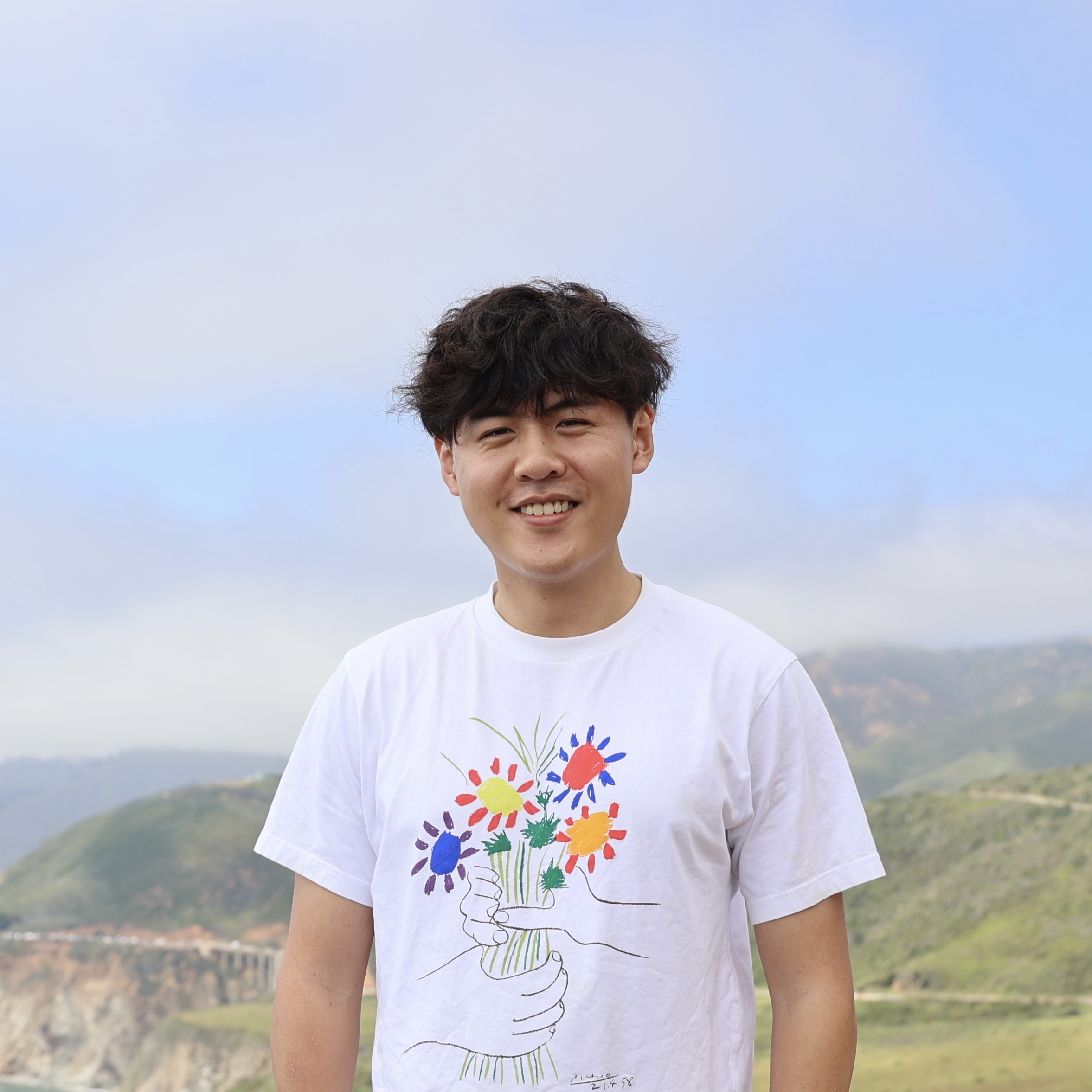
Adam Sun I'm a PhD candidate at Stanford University, advised by Ehsan Adeli and co-advised by Gordon Wetzstein. My research is in computer vision, focusing on human-centric video generation and 3D reconstruction and understanding. In the past, I've worked on projects focused on reconstructing occluded humans from monocular video, and have recently been focusing on cool applications of video diffusion. My research is graciously funded by the NSF Graduate Research Fellowship. |
|
Education
Ph.D. in Computer Science, Stanford University, Sep. 2025 – Present
|
|
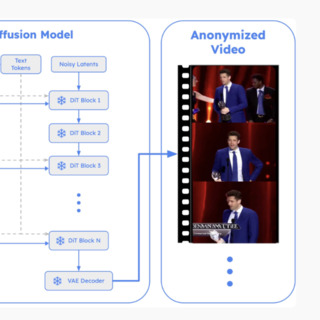
ReGenHuman: Re-Generating Human Appearances for Realistic Full-Body Video Anonymization
Adam Sun, Eshaan Barkataki, Arnold Milstein, Gordon Wetzstein, Ehsan Adeli NeurIPS, 2026 project page / arXiv A "regenerate, don't edit" pipeline for full-body video anonymization that resynthesizes human regions entirely from identity-free structural cues with a fine-tuned video diffusion model. |
|
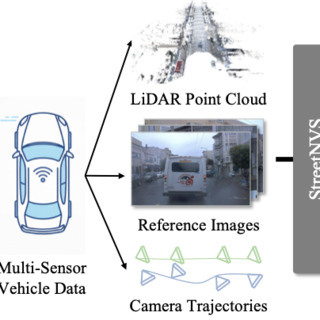
Effective Multi-sensor Conditioning for Street-view Novel-view Synthesis
Zhengfei Kuang, Adam Sun, Liyuan Zhu, Tong Wu, Shengqu Cai, Jonathan Tremblay, Iro Armeni, Ehsan Adeli, Lior Yariv, Gordon Wetzstein NeurIPS, 2026 project page / arXiv Conditioning novel-view synthesis with additional views improves the quality and robustness of video diffusion-based street-view scene rendering. |
|
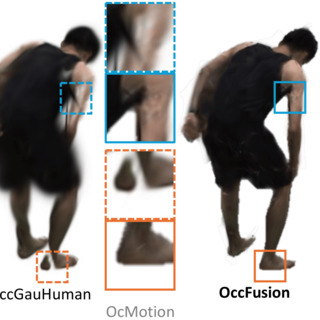
OccFusion: Rendering Occluded Humans with Generative Diffusion Priors
Adam Sun*, Tiange Xiang*, Scott Delp, Li Fei-Fei, Ehsan Adeli NeurIPS, 2024 (* equal contribution) project page / arXiv / code Using generative diffusion priors + 3DGS to render humans under severe occlusion. |
|
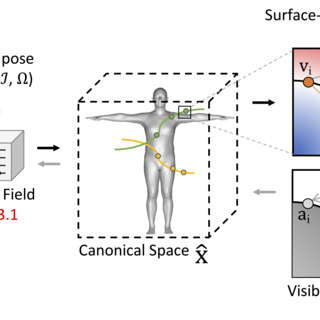
Rendering Humans behind Occlusions
Tiange Xiang, Adam Sun, Scott Delp, Kazuki Kozuka, Li Fei-Fei, Ehsan Adeli IEEE TPAMI, 2025 project page / arXiv An improvement on OccNeRF with an occlusion-aware scene decomposition that separates the human from occluders. |
|
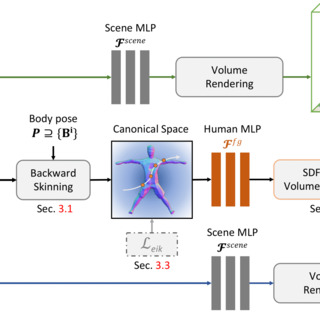
Rendering Humans from Object-Occluded Monocular Videos
Tiange Xiang, Adam Sun, Jiajun Wu, Ehsan Adeli, Li Fei-Fei ICCV, 2023 project page / arXiv / code A neural rendering approach that recovers high-quality 3D humans from monocular video even when the subject is significantly occluded by objects in the scene. |
Academic Service
Reviewer, NeurIPS 2025, 2026
|
|
Design and source code from Jon Barron's website. |